Love and Deepspace — Genre, Progression System and Story Structure

Love and Deepspace is a mobile game released globally by Papergames in 2024 and still actively supported with updates in 2025–2026. The project stands out in the mobile market because it combines elements that rarely appear together in one title: story-driven romance mechanics, action combat in real time, and a long-term progression system typical for character-collection games. The result is a hybrid experience that focuses equally on narrative development and gameplay progression. To understand why the game gained attention among players of story-driven mobile titles, it is useful to analyse its genre structure, the way progression works, and how the narrative integrates with gameplay systems.
Genre Structure: Romance Simulation Combined with Action Gameplay
At its core, Love and Deepspace belongs to the romance simulation genre, often associated with otome games. In these games the central focus lies in building relationships between the protagonist and several male characters. Dialogue choices, personal interactions and narrative events shape the emotional development of these relationships. However, Love and Deepspace moves beyond traditional visual novel mechanics by adding fully animated 3D environments and interactive sequences.
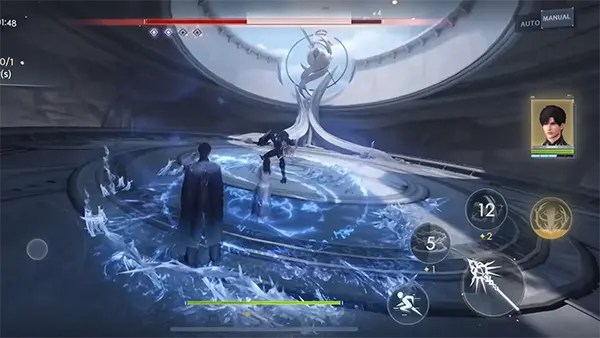
The game also integrates third-person action combat. Players participate in missions where characters fight hostile creatures known as Wanderers. Combat takes place in real time, using skills, timing and positioning rather than simple turn-based commands. This feature introduces a gameplay layer rarely seen in story-focused romance games and adds variety to the overall structure.
Another important genre component is the character-collection system, which is common in many modern mobile titles. Players unlock memories, cards and equipment linked to specific characters. These items improve combat performance while also expanding narrative scenes. Because of this structure, the game connects storytelling progression with gameplay upgrades.
How the Hybrid Genre Affects Player Experience
The mixture of romance simulation and action gameplay changes the pace of the experience. Traditional otome titles typically progress through long dialogue sequences with occasional choices. In Love and Deepspace, story chapters alternate with combat missions, character interactions and exploration segments. This structure keeps players engaged even when narrative sections slow down.
Another noticeable effect is the stronger emotional connection with characters. Since the game uses detailed 3D models, motion capture and voice acting, conversations feel closer to cinematic scenes than static dialogue boxes. Players spend time both talking to characters and fighting alongside them during missions, which reinforces the sense of partnership within the story.
Finally, the hybrid genre expands the audience beyond typical romance game fans. Players interested in story-driven RPG systems can enjoy the combat mechanics, while those focused on narrative development still receive frequent character interactions. This balance is one of the main reasons why the game attracted attention in the mobile gaming market.
Progression System and Character Development
The progression system in Love and Deepspace follows a layered structure common in modern mobile RPGs. Players advance through story chapters while simultaneously improving character strength. Progression includes upgrading cards known as “Memories”, increasing character levels, unlocking skills and enhancing equipment. Each improvement directly influences combat efficiency in later missions.
Memories play a particularly important role. They function both as gameplay elements and narrative fragments. Each card contains a short story or interaction scene involving one of the main characters. Upgrading these cards increases combat attributes but also unlocks additional dialogue, artwork or character moments. As a result, gameplay progression is closely tied to storytelling.
The game also uses daily and weekly activities to maintain long-term engagement. These tasks include combat challenges, resource missions and limited events that reward materials used for upgrades. Because progression resources are distributed across different activities, players are encouraged to return regularly and gradually strengthen their characters.
Relationship Progression with Characters
Beyond combat upgrades, Love and Deepspace features a relationship development system with the main characters. Players increase affinity through dialogue choices, interactive scenes and special events. As affinity levels rise, new story segments become available, revealing personal details about each character’s past and motivations.
The relationship system also includes communication features such as messaging, calls and short interactive encounters. These interactions simulate everyday communication between the protagonist and characters, making the relationship progression feel more dynamic than simple dialogue selections in story chapters.
This system influences how players approach the game. Instead of focusing only on mechanical upgrades, many players prioritise narrative interactions with their preferred character. As a result, emotional investment becomes a core part of the progression loop.
Story Design and Narrative Structure
The story of Love and Deepspace is set in a futuristic world where humanity faces threats from mysterious creatures arriving through spatial distortions. The protagonist joins an organisation that protects the city from these dangers. Through this premise, the game introduces both action-oriented missions and character-focused narrative arcs.
Each major character is connected to the larger storyline through personal secrets, past experiences and hidden motivations. As the narrative progresses, players gradually learn how these characters relate to the broader conflict affecting the world. This approach keeps the main plot advancing while allowing each character to maintain a unique story path.
The narrative is delivered through multiple formats: cinematic scenes, dialogue interactions, character memories and event stories. Because these elements are spread across the progression system, players discover new parts of the narrative over time rather than consuming it all in a single sequence.
Why the Story Structure Works in a Mobile Game
One reason the narrative structure works well is its modular design. Story chapters are divided into shorter segments suitable for mobile play sessions. Players can complete missions, view story scenes and interact with characters in relatively short periods without losing track of the broader narrative.
The use of character-specific arcs also helps maintain long-term engagement. Instead of relying only on a single main plot, the game provides several relationship-focused storylines that evolve as affinity levels increase. This structure encourages players to return in order to see how each character’s story develops.
Regular updates further expand the narrative world. New events, limited stories and additional character content appear periodically, ensuring that the storyline continues evolving beyond the initial release. This approach reflects the live-service model used by many successful mobile titles in the mid-2020s.