Tribe Nine Mobile Review: Fast-Paced Anime RPG with Urban Combat
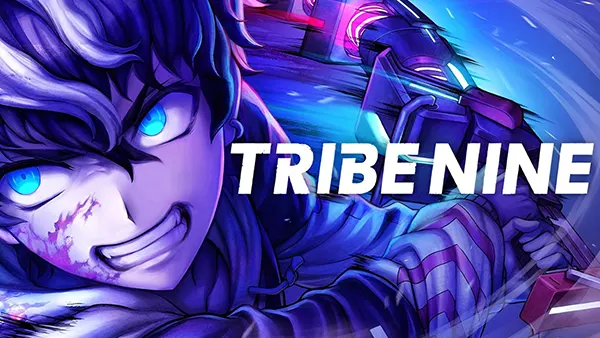
Tribe Nine Mobile entered the mobile gaming market as a story-driven action RPG inspired by the multimedia franchise created by Kazutaka Kodaka and Too Kyo Games. The project combines stylised anime visuals, real-time combat and a futuristic version of Tokyo divided into hostile districts controlled by separate tribes. Unlike many mobile RPGs that rely heavily on automatic gameplay, Tribe Nine focuses on active battles, character positioning and team coordination. By 2026, the title has continued receiving seasonal updates, balance adjustments and additional narrative chapters, helping it maintain interest among players who prefer Japanese action RPGs with a console-style presentation.
Gameplay Mechanics and Combat System
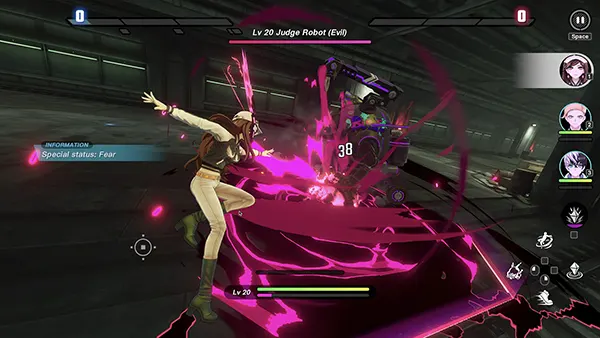
The core gameplay in Tribe Nine revolves around real-time combat where players control a squad of characters with different combat roles. Battles take place in semi-open urban arenas filled with enemies, environmental hazards and interactive objects. Players can switch between heroes during fights, chain abilities together and activate special attacks that influence the pace of combat. Timing and movement play a major role because enemy attacks are highly aggressive and often require manual dodging.
Each character belongs to a specific combat archetype such as attacker, support or breaker. Team composition becomes important during advanced missions because enemy shields, elemental resistances and boss mechanics require tactical planning. The developers regularly adjusted balancing systems throughout 2025 and 2026 to prevent a small number of characters from dominating competitive and cooperative content.
Unlike idle RPGs that automate progression, Tribe Nine encourages direct interaction. Exploration sections contain hidden rewards, side encounters and optional missions that provide upgrade resources. The progression loop mixes story advancement with character levelling, equipment enhancement and resource farming. Energy systems still exist, as expected in many mobile RPGs, though later updates reduced some restrictions after criticism from the community during the global launch period.
Baseball-Inspired Battles and Tactical Features
One of the more unusual mechanics in Tribe Nine is the integration of “Extreme Baseball”, which acts as both a narrative theme and a gameplay element. Rather than simulating traditional sports gameplay, the system transforms baseball concepts into cinematic combat mechanics. Special moves, finishing attacks and district rivalries are connected to this idea, helping the game stand apart from conventional fantasy RPG settings.
Boss encounters often introduce mechanics inspired by competitive arena games. Some enemies force players to interrupt attacks, reposition quickly or coordinate multiple abilities in sequence. This creates a faster rhythm compared to turn-based mobile RPGs. Players using touchscreen controls may initially require time to adjust, although controller support added in later updates improved responsiveness significantly.
The game also includes multiplayer-oriented activities where coordinated teams can challenge advanced missions for high-level rewards. Cooperative raids became one of the stronger parts of the 2026 version because they encourage role distribution between support units, damage dealers and defensive specialists. Communication and timing are far more important here than simple character statistics.
Visual Design, Anime Presentation and Audio Direction
Tribe Nine uses a bold anime-inspired art direction built around neon-lit environments, exaggerated character designs and heavily stylised urban districts. Every city zone has its own visual identity connected to the tribe controlling it. Some locations focus on cyberpunk influences, while others combine street fashion, industrial structures and dystopian architecture. This helps the world feel more varied than many repetitive mobile RPG maps.
Character animations are among the strongest technical elements of the project. Combat abilities feature dynamic camera shifts, detailed particle effects and dramatic finishing moves. On higher graphical settings, modern smartphones released in 2025 and 2026 handle the game relatively well, though older devices may experience overheating during longer sessions due to the demanding visual effects.
The soundtrack blends electronic music, rock influences and cinematic orchestration. Battle themes change depending on districts and major encounters, helping maintain atmosphere during longer gameplay sessions. Japanese voice acting remains one of the most praised aspects of the game, while the English localisation improved after several updates corrected translation inconsistencies reported during the first global release months.
Character Writing and Storytelling Structure
The narrative follows groups of young fighters attempting to survive inside a fragmented version of Neo Tokyo controlled by violent organisations. While the setting initially appears chaotic, the story gradually introduces political conflicts, personal rivalries and hidden motivations between tribes. The writing style strongly reflects the influence of Too Kyo Games, particularly through dramatic dialogue and morally conflicted characters.
Many story chapters focus on the psychological struggles of the cast rather than simple hero-versus-villain structures. Certain characters experience loyalty conflicts within their own factions, while others question the social system that governs the city. This approach gives the game more narrative depth than many mobile action RPGs focused purely on combat progression.
Seasonal updates released throughout 2026 expanded several secondary characters who previously had limited screen time. Additional story events, animated cutscenes and relationship interactions helped strengthen player attachment to the roster. These updates also addressed criticism that some early narrative arcs felt rushed during the original launch version.
Monetisation, Updates and Long-Term Player Experience
Like many modern mobile RPGs, Tribe Nine uses a gacha-based monetisation structure where players spend premium currency to obtain characters and equipment. Rates for high-tier units remain one of the most debated aspects within the community. While free-to-play users can gradually unlock content through events and missions, obtaining newly released top-tier characters immediately usually requires substantial resource saving or direct purchases.
To maintain player engagement, the developers introduced regular limited-time events, seasonal rewards and rotating challenge modes. Several major updates during 2025 and 2026 improved reward distribution after complaints regarding progression speed. Daily activities became less repetitive, and event structures were redesigned to reduce excessive grinding requirements.
Server stability and optimisation also improved significantly compared to the launch period. Early technical issues included crashes, delayed loading times and inconsistent matchmaking in cooperative content. By 2026, many of these problems had been reduced through engine updates and infrastructure improvements, helping the overall experience feel more polished across Android and iOS devices.
How Tribe Nine Compares to Other Mobile Anime RPGs
Compared with titles such as Honkai: Star Rail, Zenless Zone Zero and Wuthering Waves, Tribe Nine focuses more heavily on aggressive close-range combat and compact urban environments rather than expansive open worlds. This gives the game a more concentrated structure where missions move quickly without long travel sections between objectives.
The visual style also differs from many fantasy-themed competitors by embracing street culture, futuristic gangs and modern city aesthetics. Players looking for sci-fi anime action with darker themes may find Tribe Nine more appealing than traditional hero-focused RPGs. Its narrative tone often feels harsher and more confrontational than lighter mobile adventures.
By 2026, Tribe Nine established itself as a niche but recognisable action RPG within the anime gaming market. Although competition remains intense in the mobile RPG sector, the combination of real-time combat, dramatic storytelling and stylised presentation helped the game maintain an active player base. Ongoing content support and gameplay refinements continue influencing whether the title can sustain long-term relevance in future years.