Hyper Light Drifter on Mobile in 2026 — Does It Still Stand Among the Best Indie Action Games?
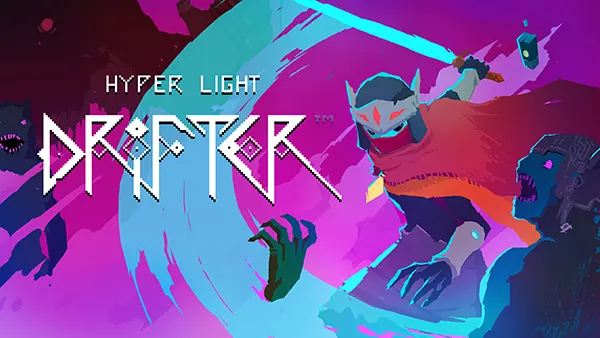
Nearly a decade after its original release, Hyper Light Drifter remains one of the most discussed indie action titles when it comes to artistic direction and precise combat design. The mobile version, adapted for touchscreens and modern devices, has gone through several updates since its initial port. In 2026, the key question is no longer whether it works on smartphones, but whether it still holds relevance against newer indie releases and technically advanced mobile games.
Technical Performance and Adaptation for Modern Mobile Devices
By 2026 standards, Hyper Light Drifter runs smoothly on most mid-range and flagship smartphones. The optimisation work carried out over the past few years has addressed early concerns related to frame drops and input lag. On devices with higher refresh rates, the gameplay feels notably more responsive, especially during fast-paced combat encounters where timing is critical.
The control scheme remains one of the most debated aspects of the mobile version. While external controllers provide the most accurate experience, the touchscreen controls have been refined with improved hit detection and customisable layouts. Players can now adjust sensitivity and button placement, making it more accessible than earlier versions without compromising the original design intent.
Battery consumption and device heating, once common issues for visually demanding indie titles, are now better managed. The game uses adaptive performance scaling, reducing strain on hardware during less intensive scenes. This makes longer play sessions viable, which is essential for a game built around exploration and gradual progression.
Visual Identity and Artistic Consistency on Small Screens
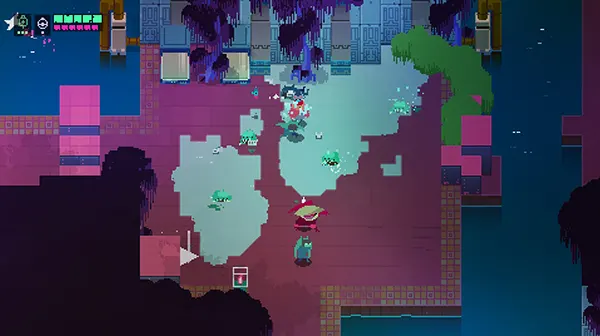
One of the defining features of Hyper Light Drifter has always been its pixel art style, influenced by 16-bit aesthetics but enhanced with modern lighting techniques. On mobile screens in 2026, this visual identity remains intact, with crisp rendering even on high-resolution displays.
The use of colour and contrast continues to play a functional role in gameplay. Enemies, hazards, and interactive elements are clearly distinguishable, which is crucial for a game that relies heavily on visual cues rather than explicit instructions. This design choice translates well to mobile, where screen size can otherwise limit clarity.
Importantly, the game avoids unnecessary visual clutter. Compared to many contemporary mobile titles that overload the screen with UI elements, Hyper Light Drifter maintains a minimal interface. This decision improves readability and keeps the player focused on movement, positioning, and timing.
Gameplay Depth and Combat System in a Mobile Context
The core gameplay loop of Hyper Light Drifter has not changed significantly, and that is part of its strength. Combat remains fast, precise, and unforgiving. Players must learn enemy patterns, manage stamina, and use limited resources wisely. This design philosophy contrasts with many modern mobile games that prioritise accessibility over challenge.
In 2026, this difficulty curve still feels relevant. While some players may find it demanding, others appreciate the absence of artificial assistance systems. There are no intrusive hints or automated mechanics that reduce the need for player skill. Success depends entirely on reaction time and decision-making.
The exploration aspect also deserves attention. The game does not rely on traditional quest markers or explicit guidance. Instead, it encourages observation and experimentation. This approach may seem unusual for mobile audiences accustomed to guided experiences, but it creates a stronger sense of discovery.
Progression System and Replay Value Over Time
Progression in Hyper Light Drifter is tied to both skill improvement and in-game upgrades. Players collect modules to unlock abilities, but these enhancements do not replace the need for mastery. Even with upgrades, careless play is quickly punished.
Replay value remains high due to the non-linear structure of the game world. Different areas can be explored in varying orders, and hidden content rewards thorough exploration. This design encourages multiple playthroughs, especially for players aiming to uncover all secrets.
Additionally, the absence of monetisation mechanics such as microtransactions or time-gated systems contributes to a more consistent experience. Once purchased, the full game is available without interruptions, which is increasingly rare in the mobile market of 2026.
Position Among Modern Indie Mobile Games in 2026
The mobile gaming landscape has evolved significantly, with many indie developers producing technically advanced and visually complex titles. Despite this competition, Hyper Light Drifter retains a distinct identity that sets it apart. Its focus on atmosphere and gameplay precision continues to resonate with players looking for a more focused experience.
Unlike many newer games that rely on procedural generation or live-service updates, Hyper Light Drifter offers a complete, curated world. This makes it more comparable to traditional console experiences than typical mobile releases. For players who value structure and intentional design, this remains a strong advantage.
Another important factor is longevity. While many mobile games lose relevance after a short period, Hyper Light Drifter benefits from its timeless design. Its mechanics are not tied to trends, which allows it to remain playable and enjoyable years after release.
Who Should Still Play Hyper Light Drifter on Mobile Today
In 2026, this game is best suited for players who appreciate challenging combat and minimal guidance. It rewards patience and attention to detail rather than quick progression. Those looking for a casual experience may find it demanding, but for others, this is precisely its appeal.
It is also a strong choice for players interested in indie game design. The way it communicates story and mechanics without traditional dialogue remains a reference point in discussions about environmental storytelling.
Overall, Hyper Light Drifter on mobile continues to justify its reputation. It may not cater to every audience, but for those who value precision, atmosphere, and thoughtful design, it still stands as one of the most complete indie action experiences available on smartphones. :contentReference[oaicite:0]{index=0}