Neverness to Everness: Urban Open-World RPG Review After the April 2026 Release
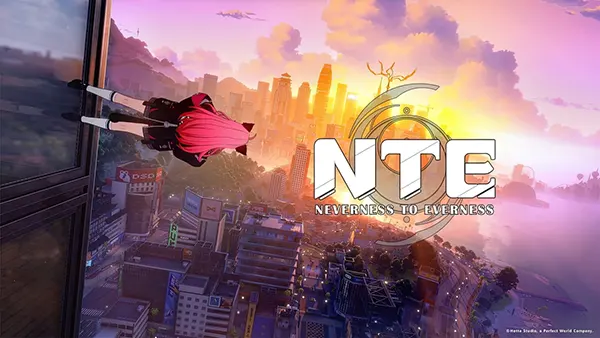
Neverness to Everness arrived in 2026 as one of the most discussed urban open-world RPGs of the year. Developed by Hotta Studio, the game stands out because it avoids the usual fantasy kingdoms and post-apocalyptic wastelands, instead building its identity around a modern supernatural city. The result is an action RPG where everyday streets, apartments, shops, vehicles and business systems sit alongside anomalies, strange creatures and character-driven combat.
A City-Focused RPG Built Around Hethereau
The main setting of Neverness to Everness is Hethereau, a large urban environment designed to feel closer to a living city than a traditional RPG map. Instead of long empty fields between quest areas, players move through streets, districts, interiors and transport routes. This gives exploration a different rhythm: the city is not just a visual background, but the main space where story events, battles and side activities happen.
Hethereau works because it mixes normal city life with supernatural disruption. Players can move through commercial areas, residential streets and public spaces, then suddenly face anomaly-related events that change the tone of the game. This contrast gives the world a strong identity and helps Neverness to Everness feel distinct from other open-world RPGs released around the same period.
The city also supports several systems outside combat. Vehicles, property-related features, business management and daily activities make the environment feel more interactive. These mechanics are important because they give players reasons to return to specific districts after completing story quests. The strongest part of the game is not only its size, but the way different systems are connected to the urban setting.
Why the Urban Setting Feels Different
Most open-world RPGs rely on natural landscapes, fantasy regions or isolated settlements. Neverness to Everness takes another route by building its structure around a dense city. This changes how movement, pacing and discovery work. Players are not simply travelling from one distant marker to another; they are moving through streets that are meant to feel active and layered.
The modern setting also makes small details more noticeable. Cars, buildings, lights, shops and city services help create the feeling of a place where people actually live. When supernatural incidents appear inside that ordinary environment, they feel more disruptive than they would in a purely fantasy world. This is one of the reasons the game’s atmosphere leaves a stronger impression than its basic premise might suggest.
Hethereau is most effective when the game allows the city to breathe. Quiet exploration, short side tasks and urban routines give the player a break from combat while still contributing to progression. This balance between action and everyday activity is one of the game’s clearest strengths after release.
Combat, Characters and Progression Systems
Neverness to Everness uses real-time action combat built around character switching, abilities and team composition. Battles are fast, colourful and clearly designed for players who enjoy responsive movement and visually expressive attacks. The combat system is accessible at first, but team-building becomes more important as enemies grow stronger and activities become more demanding.
The characters, known as Espers, each bring their own abilities and combat roles. Some are better suited to direct damage, while others support the team through control, defence or utility. This gives players room to test different combinations rather than relying on one fixed setup throughout the whole game. The system is familiar for the genre, but it works well because the characters fit the supernatural theme of the city.
Progression follows a live-service RPG structure. Players improve characters, upgrade equipment and gradually unlock more demanding content. The game also includes gacha mechanics, so long-term progression depends partly on character acquisition. This may not suit everyone, but the launch version gives enough early content to let players understand the main systems before deeper optimisation becomes necessary.
Where the Gameplay Works Best
The strongest moments happen when combat, exploration and city systems support one another. A player might investigate an unusual event, fight enemies linked to that disturbance, then return to city activities that build the broader sense of life in Hethereau. This structure prevents the game from feeling like a simple chain of battles.
Combat feels best during boss encounters and anomaly-related missions, where enemy behaviour and visual design are more memorable. These fights show the potential of the action system because they require movement, timing and awareness rather than only character strength. When the game gives enough space for these mechanics to matter, battles feel energetic and satisfying.
There are still areas that could be improved. Some early progression gates can slow the story, and not every activity has the same level of depth. The interface can also feel busy at times, especially for players who are not used to live-service RPG menus. Even so, the core gameplay loop is strong enough to support long sessions without relying only on daily rewards.
Visual Style, Technical Quality and 2026 Relevance
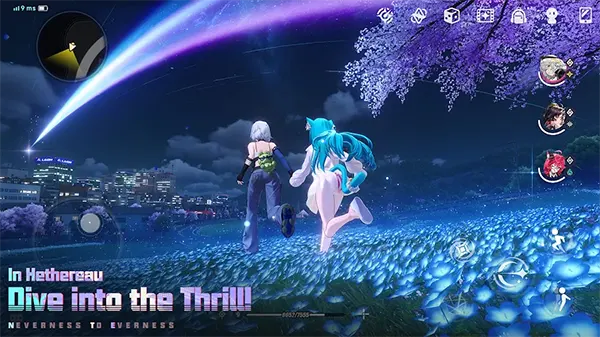
Neverness to Everness benefits from a polished visual direction. The use of Unreal Engine 5 allows the city to include detailed lighting, reflective surfaces and dense environmental design. Night scenes are especially effective because neon signs, street lights and supernatural effects work well with the game’s urban atmosphere.
The anime-inspired character design fits the broader tone of the project. The game does not aim for realism; instead, it combines stylised characters with a modern city that feels detailed enough to support immersion. This contrast helps the title stand out in a market where many action RPGs share similar fantasy aesthetics.
Cross-device availability is also important in 2026. The game is designed for players who may want to continue progression across different devices, including PC, console and mobile. This approach reflects how modern RPG audiences often play: sometimes in long sessions at home, sometimes in shorter sessions on a phone or tablet.
Overall Assessment After Release
After release, Neverness to Everness can be described as an ambitious urban RPG with a clear identity. Its biggest strength is Hethereau itself: a city that gives the game a recognisable atmosphere and makes exploration feel different from many other open-world titles. The setting is not just decoration; it shapes how the player moves, fights and spends time between missions.
The game is not perfect. Story pacing, interface clarity and long-term content balance still need careful updates. Some players may also find the gacha structure limiting if they prefer traditional premium RPG progression. These issues matter, but they do not erase the fact that the game offers a fresh approach to open-world design.
As of 2026, Neverness to Everness is worth attention for players who want an action RPG with a modern city setting, supernatural themes and varied side systems. It works best for those who enjoy exploration, character collection and urban atmosphere. If future updates improve pacing and add meaningful content, the game has a strong foundation for long-term relevance.