Into the Dead 3: The Evolution of a Modern Mobile Survival Shooter

Into the Dead 3 continues the legacy of one of the most recognisable mobile action shooters, offering a refined approach to survival gameplay in a world dominated by the undead. The third instalment builds upon the foundation of its predecessors, adding deeper mechanics, improved visual design and broader narrative direction suitable for a 2025 audience familiar with high-quality mobile titles.
Progression of Core Gameplay Mechanics
The third entry in the series introduces a more structured progression system that moves beyond simple distance-based survival. Players now follow level-driven scenarios with defined objectives that influence weapon choices, companion behaviour and tactical movement. This design ensures that each stage feels meaningful, pushing players to adjust their strategy instead of relying solely on reflexes.
Movement remains automatic, a signature trait of the franchise, yet environmental layouts have become considerably richer. Dynamic obstacles, collapsing structures and shifting terrain require more attention than in previous instalments. These challenges help maintain tension without overwhelming the player. The result is a sharper blend of action and decision-making aligned with modern expectations for mobile shooters.
Weapon handling receives particular attention in Into the Dead 3. Each firearm feels distinct, with recoil, reload speed and ammunition management contributing to the overall rhythm of combat. The expanded arsenal allows players to approach encounters with increased versatility, ensuring that progression feels rewarding rather than repetitive.
Enhanced Companion and AI Systems
One of the notable upgrades in Into the Dead 3 is the refinement of companion AI. Canine allies, already familiar to fans of the franchise, now possess individual traits and situational reactions that influence survival outcomes. Their behaviour is more than cosmetic; companions assist during crowd control, alert players to upcoming hazards and provide support during complex encounters.
Hostile AI has also advanced. Undead groups demonstrate varied movement patterns, reacting to sound, environmental triggers or player position. This introduces an additional layer of unpredictability that keeps each mission engaging. Instead of facing identical threats, players must constantly reassess danger levels, particularly in tighter areas where escape routes are limited.
The improved AI supports the overall pace of the game. It delivers more believable interactions without sacrificing accessibility, making encounters feel organic and aligned with a 2025 mobile gaming environment where players expect responsive systems even on compact screens.
Expanded Narrative Depth and World-Building
Into the Dead 3 introduces a more cohesive storyline that follows a group of survivors attempting to navigate the remnants of society. While the earlier entries relied primarily on atmosphere, this sequel integrates dialogue, environmental storytelling and character-driven motivations. The plot unfolds naturally through mission briefings, in-game events and collectible records scattered across levels.
The world-building leans on grounded themes such as resource scarcity, fractured communities and the risks associated with long-term survival. Instead of simply presenting a backdrop for action, the narrative provides structure and a deeper emotional framework. This approach aligns with player expectations for modern mobile games, where narrative quality frequently mirrors console-level experiences.
The inclusion of multiple story branches encourages replayability. Decisions linked to mission outcomes or companion safety influence the direction of certain arcs. These variations create a more personal sense of investment, elevating the overall engagement value of the campaign.
Mission Variety and Environmental Design
The design team has diversified mission structure to ensure sustained interest. Players encounter defence challenges, escort tasks, timed runs and resource recovery operations. Each scenario emphasises quick thinking and adaptability while providing clear goals that maintain the momentum of the experience.
Environmental design plays a significant role in shaping these missions. Urban districts, agricultural zones and industrial complexes feature interactive elements that influence combat flow. Explosive barrels, blocked passageways and environmental hazards encourage strategic movement and careful weapon usage.
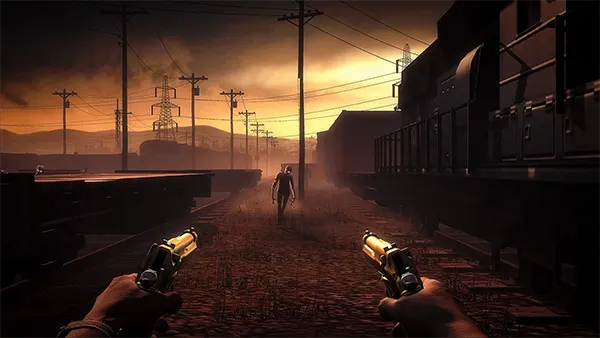
Lighting, weather effects and particle systems add subtle detail that enriches immersion without relying on exaggerated visual flair. Into the Dead 3 demonstrates technical growth while preserving the raw, oppressive tone that defines the franchise.
Technical Improvements and Player Experience in 2025
As mobile hardware capabilities continue to advance, Into the Dead 3 leverages modern processors and graphical frameworks to deliver stable performance even during dense action sequences. The game benefits from enhanced frame pacing, reduced input latency and detailed animations that elevate its overall presentation.
Sound design contributes heavily to the atmosphere. Spatial audio assists players in recognising approaching threats, distant movement or environmental collapse. Firearm effects carry weight, while ambient layers strengthen the sense of unease associated with crossing abandoned settlements or overrun fields.
User interface improvements ensure that information is accessible without obstructing gameplay. Customisable controls, scalable HUD elements and optional accessibility settings reflect the industry’s growing emphasis on inclusivity and ergonomic interaction. These features allow a wider audience to engage with the title comfortably.
Monetisation Approach and Long-Term Support
Into the Dead 3 adopts a more balanced monetisation model compared to earlier releases. Optional purchases focus on cosmetic items, time-saving upgrades and extended story packs, leaving the core campaign fully available without financial barriers. This approach respects player investment and helps build a sustainable audience.
The developers have committed to ongoing content updates throughout 2025, including seasonal missions, new weapons and additional survival modes. These expansions aim to maintain long-term interest while ensuring that returning players always have new objectives to pursue.
Community feedback remains integral to development. Adjustments to balance, control responsiveness and mission difficulty frequently stem from player reports. This level of post-launch support strengthens trust and demonstrates the studio’s dedication to improving the experience over time.